
Fabric first approach: What is it and what does it mean for your home?
As energy efficiency standards tighten, self builders and architects alike continue to adopt a fabric first approach to home construction. But what does building a home the fabric first way actually mean? And how can this approach enhance your home’s comfort, efficiency and durability, while staying true to your vision?
In this guide, we’ll define fabric first construction and how this approach elevates your oak frame home.


What is a fabric first approach?
The fabric first approach focuses on optimising a structure’s thermal envelope (its walls, roof, floor, windows and doors) from the outset of construction to maximise energy efficiency.
Rather than relying on additional mechanical systems such as heating, ventilation and air conditioning, fabric first homes prioritise structural airtightness, deep insulation and high-performance heat-retaining windows and doors. As a result, energy consumption is naturally minimised throughout the building’s lifespan.
Self builders working towards fabric first principles look to combine sustainable design with durable and naturally insulated materials. This produces practical, high-performance structures while respecting the area's cultural context and considering the long-term prosperity of local wildlife.

Why take a fabric first approach for your project?
Our approach to building your home is underpinned by our sustainability ethos and a passion for building efficient, durable and comfortable homes our customers can enjoy for years to come.
The fabric first approach is one of the best ways to achieve this, and comes with a number of benefits for those starting to design their forever home:

Year-round comfort
An airtight design that stops warm air from leaking out of your home can significantly reduce your overall carbon footprint, without needing to implement huge lifestyle changes.
Constantly running your radiators can have long-term implications for your overall impact. Because fabric first homes inherently retain heat, you don’t need to rely entirely on your heating to stay toasty throughout the colder months.

Lowering your carbon footprint
An airtight design that stops warm air from leaking out of your home can significantly reduce your overall carbon footprint, without needing to implement huge lifestyle changes.
Constantly running your radiators can have long-term implications for your overall impact. Because fabric first homes inherently retain heat, you don’t need to rely entirely on your heating to stay toasty throughout the colder months.

Long-term durability
A high performance home is a home for life - one that prioritises your comfort for decades.
Each component of a fabric first home is designed to minimise the traditionally ‘weak’ points of a home, working to prevent common issues such as damp, which can have significant long-term impacts on a building’s structure. Investing in a fabric first approach ensures you can enjoy a comfortable, energy efficient home for years to come.

Reducing your energy bills
Everyone is looking for ways to reduce their impact and keep their energy bills low. Through greater heat retention, you significantly reduce your reliance on the energy grid to keep your home comfortable throughout the year. Short term, this keeps utility expenses low, while long term, it protects you from rising energy costs.

Our approach to fabric first building
Fabric first principles are woven into every step of our architectural process. Whether you’re embarking on a self-build project or need help bringing your vision to life, we’re here to ensure your future home is durable, comfortable and grounded in sustainable construction.
Because every project we craft is bespoke, our fabric first philosophy is underpinned by our four pillars of sustainability:
- Environmental Sustainability: Minimising your ecological footprint through passive design, energy efficiency and low-impact materials
- Social Sustainability: Prioritising your wellbeing through generous natural light and accessible, inclusive living spaces
- Economic Sustainability: Using durable materials to keep your bills low and reduce the likelihood of major construction
- Cultural Sustainability: Respecting local communities, environments and architectural heritage, ensuring every frame sits consciously within its unique landscape

How does this compare to other building methods?
Adopting Passivhaus principles and a fabric first approach to construction can be great ways of combating rising energy costs and making your home more sustainable. But if, during your research, you come across other sustainable building practices, you can see how fabric first compares to three alternatives below:
Fabric first vs Heating
Whereas fabric first construction focuses on reducing heat loss through the building’s envelope, heating-led designs try to maximise the efficiency of heat-generating machines throughout your home.
Fabric first vs Renewable tech
Fabric first is a passive strategy that aims to permanently lower energy demand for your home's lifespan. The installation of renewable tech, such as solar panels, either during the building process or retrospectively, provides an on-premises energy supply that meets the demand of your home
Fabric first vs Fabric-fifth
In direct opposition to fabric first, the fabric-fifth philosophy treats your building's envelope as a secondary priority during the building process. Fabric-fifth focuses on fitting smart controls and green energy systems over heavy insulation and structural upgrades. Fabric first reverses this, ensuring the structure itself does the heavy lifting.
Low footprint, longer lifespan
Whether you’re looking to turn your dream home into a reality or add a heat-retaining living space for an older relative, when you work with Oakwrights, you can be sure our architectural process is directed by a steadfast belief in fabric first principles.
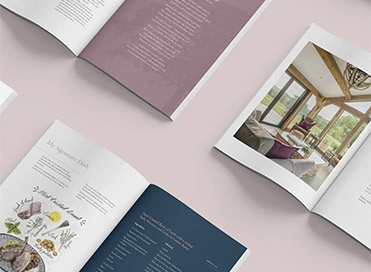
Want to make sure your future home is insulated, efficient and sustainable? Start your journey with us by requesting a brochure or contacting our team today. You can also learn more about how we build frames that combine architectural freedom with exceptional, efficient performance on our Elements site.


